


Articles by Swami B.V. Giri

The Disappearance of Śrīla Bhakti Gaurava Narasiṅgha Mahārāja
In this article, Swami B.V. Giri gives an account of Śrīla Bhakti Gaurava Narasiṅgha Mahārāja's return to India and his tirobhava (disappearance pastimes) in South India.
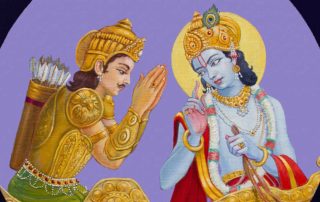
The History of the Bhagavad-gītā
"The History of the Bhagavad-gītā' by Swami B.V. Giri explains something of the background of the circumstances leading up to the war at Kurukṣetra and the various ācāryas who have commented on the Gītā. This essay was originally included in Śrīla Narasiṅgha Mahārāja's publication of the Bhagavad-gītā.
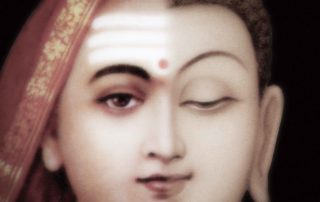
Māyāvāda and Buddhism – Are They One and the Same?
In this article, "Māyāvāda and Buddhism - Are They One and the Same?" Swami B.V. Giri tells the history of Māyāvāda stemming from Śiva and how various ācāryas of different philosophical schools consider māyāvāda to be non-different from atheistic Buddhism.
Harmony – Real and Apparent
"Harmony - Real and Apparent" written by Swami B.V. Giri, explains the true meaning of harmony as opposed to the 'pseudo-harmony' which is sometimes spoken about in the greater Vaiṣṇava world of today.
Prabodhānanda and Prakāśānanda
In this article 'Prabodhānanda and Prakāśānanda' Swami B.V. Giri explores the misconception that the māyāvādī, Prabodhānanda Sarasvatī and the Gauḍīya Vaiṣṇava ācārya, Prakāśānanda Sarasvatī are one and the same person, and shows through logic and śāstra that this cannot be so.
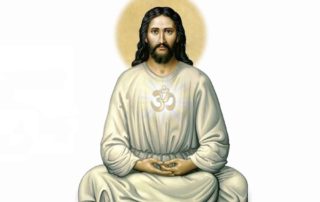
Jesus in the Vedas
In 'Jesus in the Vedas' Swami B.V. Giri looks at the prediction of Jesus in India found in the Bhaviṣya Purāṇa and shows how this section seems to have been interpolated by the British.
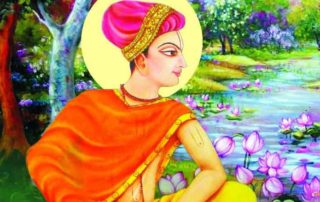
Hita Harivaṁśa and the Rādhā-Vallabha Sect
In "Hita Harivaṁśa and the Rādhā-Vallabha Sect" Swami B.V. Giri narrates the history of Hita Harivaṁśa of Vṛndāvana and his connection to Śrīla Gopāla Bhaṭta Gosvāmī and Prabodhānanda Sarasvatī. He also explains the philosophy of the Rādhā-Vallabha sect and how they reject the aṅgas of vaidhi-bhakti.

The Sārasvata Paramparā and the Caste-Brāhmaṇa Guru
In "The Sārasvata Paramparā and the Caste-Brāhmaṇa Guru" Swami B.V. Giri refutes the arguments of a gentleman who claims that only a born brāhmaṇa has the right to become a guru in the Gauḍīya Vaiṣṇava sampradāya.

Is Sannyāsa Forbidden in Kali-yuga?
Does the śāstra declare that sannyāsa is forbidden in Kali-yuga? According to one ex-sannyāsī, it is! This article explores the misconception that sannyāsa is unauthorised in this age and shows how Mahāprabhu and His followers have understood this prohibition.
Advaita Prakāśa Reviewed
In "Advaita Prakāśa Reviewed" Swami B.V. Giri looks at the details found in a supposedly bona-fide Gauḍīya Vaiṣṇava text about Śrī Advaita Ācārya and explains how it is a modern day fabrication by the Advaita-vaṁśa.