

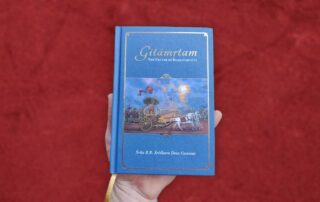
Preface to Gītāmṛtam
The following is the preface written by Śrīpāda Araṇya Mahārāja to Gauranga Vani Publishers new book, 'Gītāmṛtam - The Nectar of Bhagavad-gītā' with illuminations by Śrīla Śrīdhara Deva Gosvāmī Mahārāja.
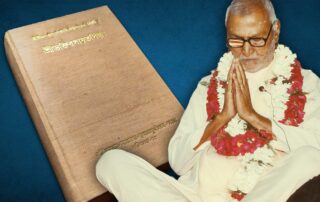
Introduction to Śrī Bhakti-rasāmṛta-sindhu
In this introduction to the Śrī Bhakti-rasāmṛta-sindhu written in 1947, Śrīla Śrīdhara Mahārāja gives a brief explanation of the importance of Rūpa Gosvāmī’s magnum-opus, how it is the king amongst all other rasa-śāstra, Śrī Jivā Gosvāmī’s commentary on it, as well as the unique features of this particular publication of Bhakti-rasāmṛta-sindhu. This was translated from Bengali by Swami B.V. Giri.
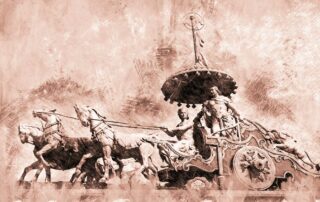
Introduction to the Bhagavad-gītā
This introduction to the Bhagavad-gītā by Śrīla Śrīdhara Deva Gosvāmī was written for the Bengali edition of the Gītā published by Śrī Caitanya Sārasvata Maṭha in 1961. Śrīla Śrīdhara Mahārāja expounds the glories of the Gītā and explains how śaraṇāgatī (surrender) is its ultimate message. This article was translated into English by Sanātana Dāsa.
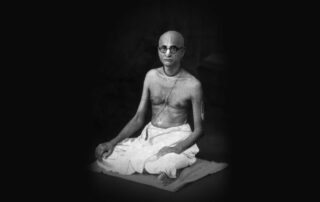
Bhakti Siddhānta (Devotional Conclusions)
In this article 'Bhakti Siddhānta (Devotional Conclusions)' Śrīla Bhaktisiddhānta Sarasvatī Ṭhākura delineates the foundational elements of bhakti (sambandha, abhidheya and prayojana) drawn from the vedic conclusions and establishes the Śrīmad Bhāgavatam as the ripened fruit of these literatures. This article was originally published in Bengali in Vol. 21, Issue 10 of Śrī Sajjana Toṣaṇī, January 1919 and translated by Sanātana Dāsa.
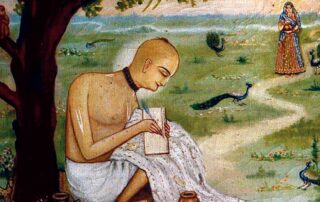
Preface to the Upadeśāmṛta
The following is the preface to the Upadeśāmṛta of Śrī Rūpa Gosvāmī with the illuminations of Śrīla Śrīdhara Deva Gosvāmī Mahārāja by Śrīpāda Bhakti kiśora Araṇya Mahārāja.
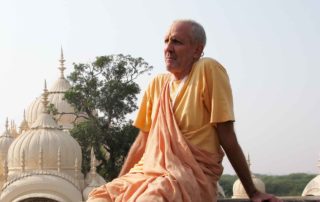
Gīta Govinda Revisited
“Gīta Govinda Revisited” is an unpublished article written in 2010 by Śrīla B.G. Narasiṅgha Mahārāja. In this essay, Narasiṅgha Mahārāja answers a devotee’s questions concerning Jayadeva Gosvāmī’s work who asks if the warnings given by Śrīla Śrīdhara Mahārāja and other ācāryas concerning higher literature are still relevant today. This follows another article on the same topic Gītā-Govinda of Jayadeva Gosvāmī
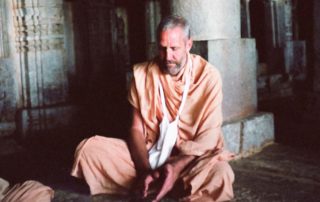
Change, Change, Change!
In “Change, Change, Change!” Śrīla Narasiṅgha Mahārāja discusses a change in Bhaktivinoda Ṭhākura’s poem on Hari Dāsa Ṭhākura, and goes on to discuss the controversial changes in Śrīla Prabhupāda’s original books.
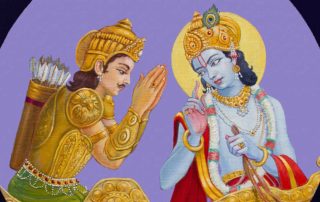
The History of the Bhagavad-gītā
"The History of the Bhagavad-gītā' by Swami B.V. Giri explains something of the background of the circumstances leading up to the war at Kurukṣetra and the various ācāryas who have commented on the Gītā. This essay was originally included in Śrīla Narasiṅgha Mahārāja's publication of the Bhagavad-gītā.

The Position of The Bhāgavata Amongst Religious Scriptures
The following Bengali lecture was given by Śrīla Śrīdhara Maharaja at the Sārasvata Śravaṇa Sadana, at 7:00pm on 6th June, 1937. In this talk, Śrīla Śrīdhara Mahārāja describes the supremacy of the Śrīmad Bhāgavatam in relation to all other śāstras and how it is the essence of all religious texts. This lecture was translated by Swami B.V. Giri and Sanātana Dāsa.
Kṛṣṇa – The Supreme Vedāntist
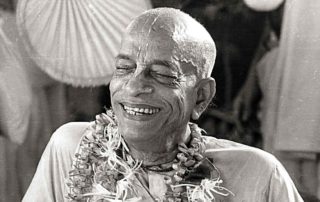
In commemoration of the anniversary of Śrīla Prabhupāda's acceptance of sannyāsa, we present an article written by him which was first published in 'Back to Godhead' magazine, on October 20th, 1956. In this article 'Kṛṣṇa - The Supreme Vedāntist' Śrīla Prabhupāda explains how despite the claims of the māyāvādīs, Kṛṣṇa is the supreme goal of Vedānta.