


Articles by Śrīla Bhakti Gaurava Narasiṅgha Mahārāja
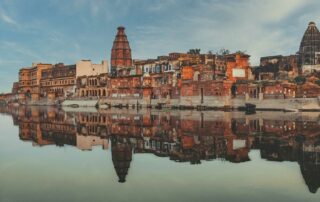
Pilgrimage with Swami Narasiṅgha – Part 7: Keśī Ghāṭa
Continuing with our pilgrimage series, this week Śrīla Narasiṅgha Mahārāja takes us to Keśī Ghāṭā where he tells us about Madhumaṅgala’s meeting with the Keśī demon, what Keśī represents, and how Śrīla Prabhupāda almost acquired Keśī Ghāṭa. Mahārāja also narrates his own experience. This article has been adapted from a number of talks and articles by Narasiṅgha Mahārāja.
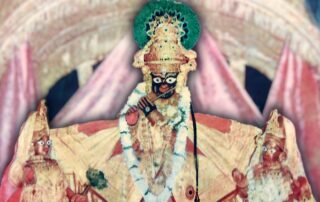
Pilgrimage With Swami Narasiṅgha – Part 6: Śrī Śrī Rādhā-Madana-mohana Temple
Continuing with our series, ‘Pilgrimage with Swami Narasiṅgha,’ this week we go to the Madana-mohana Temple in Vṛndāvana and Śrīla Narasiṅgha Mahārāja explains the history and importance of this holy place. This article was adapted from an essay written in 1994 and a class given in Vṛndāvana in 1996.
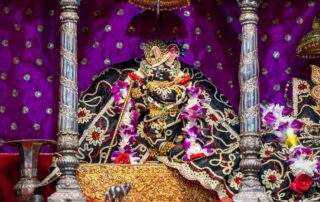
Pilgrimage With Swami Narasiṅgha – Part 5: Śrī Śrī Rādhā-Ramaṇa Temple
Continuing with our series, ‘Pilgrimage with Swami Narasiṅgha’, this week we go to the famous Rādhā-Ramaṇa Temple in Śrī Vṛndāvana-dhāma where Mahārāja explains the origins of the Deity of Rādhā-Ramaṇa and some history of the temple. This article is adapted from a talk given in Vṛndāvana in 1996 and from two essays written by Mahārāja in 1994.
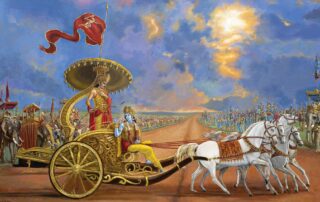
Pilgrimage With Swami Narasiṅgha – Part 4: Kurukṣetra
Continuing with our pilgrimage series, in time for this week’s Gītā Jayantī celebrations, Śrīla Narasiṅgha Mahārāja discusses the sacred land of Kurukṣetra where Śrīmad Bhagavad-gītā was spoken and explains it’s deeper significance. This article was adapted from a number of talks given by Mahārāja, one at Kurukṣetra in 1990 as well as later talks in Vṛndāvana and Mexico.
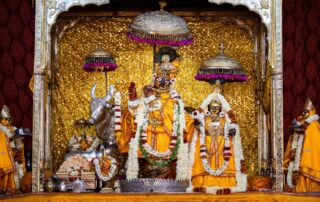
Pilgrimage With Swami Narasiṅgha – Part 3: Śrī Śrī Rādhā-Govinda Mandira
Continuing with our pilgrimage with Śrīla B.G. Narasiṅgha Mahārāja, this week, Mahārāja discusses Śrī Śrī Rādhā-Govinda Mandira in Vṛndāvana, how Govindajī was eventually taken to Jaipur, and Śrīla Prabhupāda’s visit to Jaipur in 1972. This article was adapted from two talks in 1996 and 1997
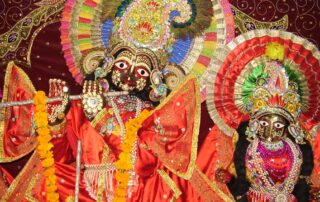
Pilgrimage With Swami Narasiṅgha – Part 2: Śrī Śrī Rādhā-Dāmodara Temple
Continuing with our series of articles, this week Śrīla Narasiṅgha Mahārāja speaks about the significance of Rādhā-Dāmodara Temple and Śrīla Prabhupāda’s bhajana-kuṭīra. Mahārāja also relates his own personal experiences in serving Śrīla Prabhupāda at Rādhā-Dāmodara Temple. This article was compiled from various talks Mahārāja gave in the 1990’s and 2000’s.
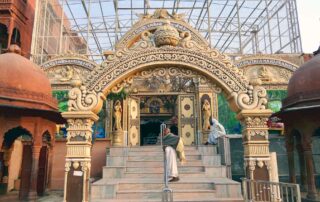
Pilgrimage With Swami Narasiṅgha – Part 1: Imlitalā
This is the first part in a series of articles for Krishna Talk where Śrīla B.G. Narasiṅgha Mahārāja talks about various holy places. Our first article begins with the pastimes and philosophical significance of Imlitalā. This article was adapted from a number of talks that Mahārāja gave in the 1990s.
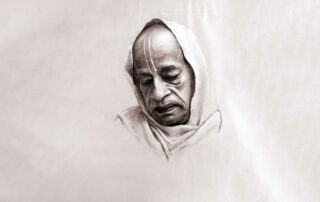
The Disappearance of a Śaktyāveśa-avatāra
The following article is based upon a talk by Śrīla B.G. Narasiṅgha Mahārāja given in 1998. Mahārāja discusses Śrīla Prabhupāda’s position as a śaktyāveśa-avatāra (empowered incarnation) of Nityānanda Prabhu and connects this to his withdrawal from this mortal world in 1977.
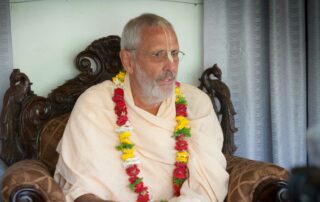
From Śraddhā to Prema
The following article is adapted from a class on Caitanya-caritāmṛta, Ādi-līlā 4.68, given by Śrīla B.G. Narasiṅgha Mahārāja on Rādhāṣṭamī, September 10th 1997. Mahārāja systematically explains the process of bhakti starting with śraddhā and culminating in prema, which is personified as Śrīmatī Rādhārāṇī.
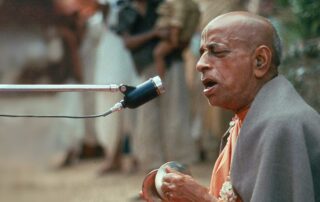
Śri Rūpa Mañjarī Pada
This article is based on a class by Śrīla B.G. Narasiṅgha Mahārāja, give on Śrīla Prabhupāda’s appearance day at Myrtle Beach, USA on August 29th, 1994. Mahārāja speaks about the song “Sri Rūpa Mañjarī Pada’ and how this song is related to His Divine Grace, A.C. Bhaktivedanta Swami Prabhupāda

The Official Website of Swami B.G. Narasingha Maharaja

The Official Facebook Page of Swami B.G. Narasingha Maharaja