

Articles by Swami B.V. Giri
Prema Dhāma Deva Stotram with the Narasiṅgha Sevaka Commentary – Verses 61-65
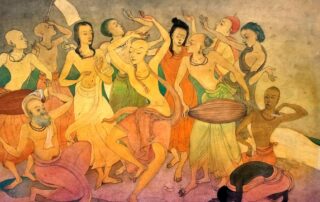
In verses 61 to 65 of 'Prema Dhāma Deva Stotram', Śrīla Śrīdhara Mahārāja narrates the pastime of Śrī Caitanya at Caṭaka Parvata In Purī and explains how the scriptures produced by Brahmā and Śiva are ultimately searching for the personality of Mahāprabhu who is merciful too all jīvas, no matter what their social position.
Prema Dhāma Deva Stotram with the Narasiṅgha Sevaka Commentary – Verses 56-60
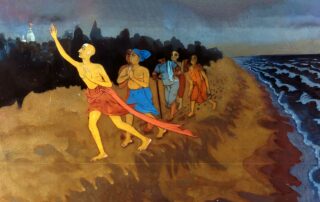
In verses 56 to 60 of 'Prema Dhāma Deva Stotram', Śrīla Śrīdhara Mahārāja describes the various remarkable ecstatic transformations of Śrīman Mahāprabhu such as his kūrma-dharma (becoming like a turtle), as well as His pastime of running into the ocean at Cakra-tīrtha, mistaking it to be the Yamunā River.
Prema Dhāma Deva Stotram with the Narasiṅgha Sevaka Commentary – Verses 51-55
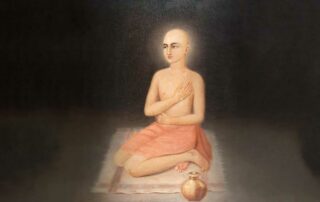
In verses 51 to 55 of Śrīla Śrīdhara Mahārāja's Prema Dhāma Deva Stotram, Rūpa, Sanātana, Rāmānanda and other associates of Mahāprabhu are glorified. The Lord's pastimes with Vallabha Bhaṭṭa are briefly narrated, and His mood while residing in the Gambhīra is described.
Prema Dhāma Deva Stotram with the Narasiṅgha Sevaka Commentary – Verses 46-50
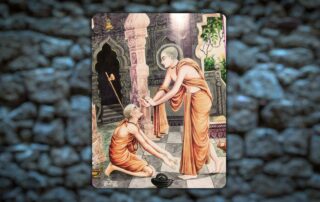
Verses 46 to 50 of Prema Dhāma Deva Stotram by Śrīla Śrīdhara Mahārāja deals with Mahāprabhu's preaching against māyāvāda, and in particular His interpretation of the famous ātmarāma verse of the Bhāgavatam. In his commentary, Swami B.V. Giri expands on these verses with explanations on the Catuh-ślokī Bhāgavata and the Daśa-mūlā of Śrīla Bhaktivinoda Ṭhākura.
Prema Dhāma Deva Stotram with the Narasiṅgha Sevaka Commentary – Verses 41-45
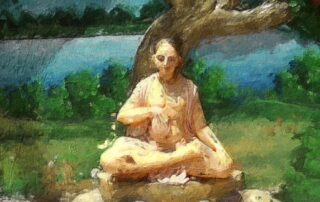
In verses 41 to 45 of Prema Dhāma Deva Stotram by Śrīla Śrīdhara Mahārāja, Swami B.V. Giri explains the significance of Mahāprabhu's discovery of Śrī Rādhā-kuṇḍa and His visit to the sacred Imlitalā. The Lord's teachings to Rūpa-Sanātana as well as the conversion of Prakāśānanda Sarasvatī are also described in detail.
Prema Dhāma Deva Stotram with the Narasiṅgha Sevaka Commentary – Verses 37-40
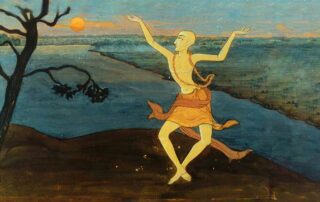
In verses 37 to 40 of Prema Dhāma Deva Stotram by Śrīla Śrīdhara Mahārāja, Śrī Caitanya Mahāprabhu's travels to Prayāga and Vraja are described. In particular, His feelings of separation and the famous verse of Śri Mādhavendra Purīpāda are explained in detail by Swami B.V. Giri.
Śrī Guru-viraha Ṣaṭakam – Six Verses in Separation from Śrī Guru
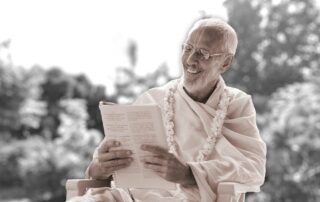
'Śrī Guru-viraha Ṣaṭakam - Six Verses in Separation from Śrī Guru' is a composition written in sanskrit by Swami B.V. Giri on the day of Śrīla Bhakti Gaurava Narasiṅgha Mahārāja's disappearance.
Prema Dhāma Deva Stotram with the Narasiṅgha Sevaka Commentary – Verses 33-36
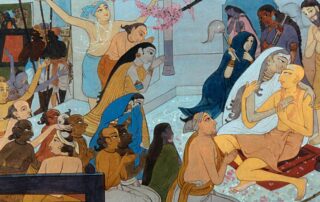
In verses 33 to 36 of Prema Dhāma Deva Stotram by Śrīla Śrīdhara Mahārāja, Swami B.V. Giri expounds upon Mahāprabhu's return to Bengal and the effect it had on His mother, Śacī Devī and the residents of Gauḍa-deśa. The Lord's meeting with Rūpa-Sanātana and His travels through the forest of Jhāḍakhaṇḍa are also explained.
Prema Dhāma Deva Stotram with the Narasiṅgha Sevaka Commentary – Verses 29-32
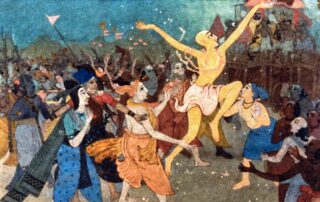
In this section of verses from Prema-dhāma Deva Stotram, Swami B.V. Giri elucidates upon Mahāprabhu’s discovery of the Brahma-saṁhitā and Kṛṣṇa Karṇāmṛta, His ecstatic dancing at Rātha-Yātrā, Pratāparudra’s devotion to the Lord and Mahāprabhu’s leaving Puri to return to Bengal.
Prema Dhāma Deva Stotram with the Narasiṅgha Sevaka Commentary – Verses 25-28
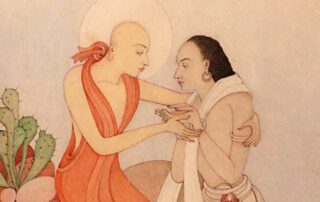
In verses 25 to 28 of Prema Dhāma Deva Stotram, Swami B.V. Giri continues to elucidate on Mahāprabhu's talks on the five primary rasas with Rāmānanda Rāya, and how the Lord revealed His yugala-rūpa (original form of Rādhā-Govinda) to Rāmānanda. Mahāprābhu's travels to Kūrma-kṣetra and Śrīraṅgam are also discussed.